Overwatch Positioning Guide
Overwatch Positioning Guide
Positioning is one of the most important skills in Overwatch. Good positioning can keep you alive longer, allow you to contribute more to your team, and make it easier to secure kills. This guide will help you understand how to position effectively for each role and in different situations.
Fundamental Positioning Principles
Distance Management
- Frontline: Tanks should be at the front, absorbing damage
- Midline: Damage dealers should be in the middle, dealing damage
- Backline: Supports should be at the back, providing healing
Cover Usage
- Hard Cover: Use walls and buildings to block enemy fire
- Soft Cover: Use objects that provide partial protection
- Dynamic Cover: Use moving objects or abilities as cover
- Peeking: Briefly expose yourself to attack, then return to cover
Sightlines
- Main Sightlines: Primary lines of sight between spawn and objective
- Cross Sightlines: Secondary lines of sight that intersect main sightlines
- Flanking Sightlines: Lines of sight from unexpected angles
- Dead Zones: Areas with limited sightlines, good for hiding
Objective Focus
- Control Points: Position near the point while maintaining safety
- Payloads: Position near the payload while protecting it
- Assault Points: Position to capture or defend the point
Tank Positioning
Reinhardt Positioning
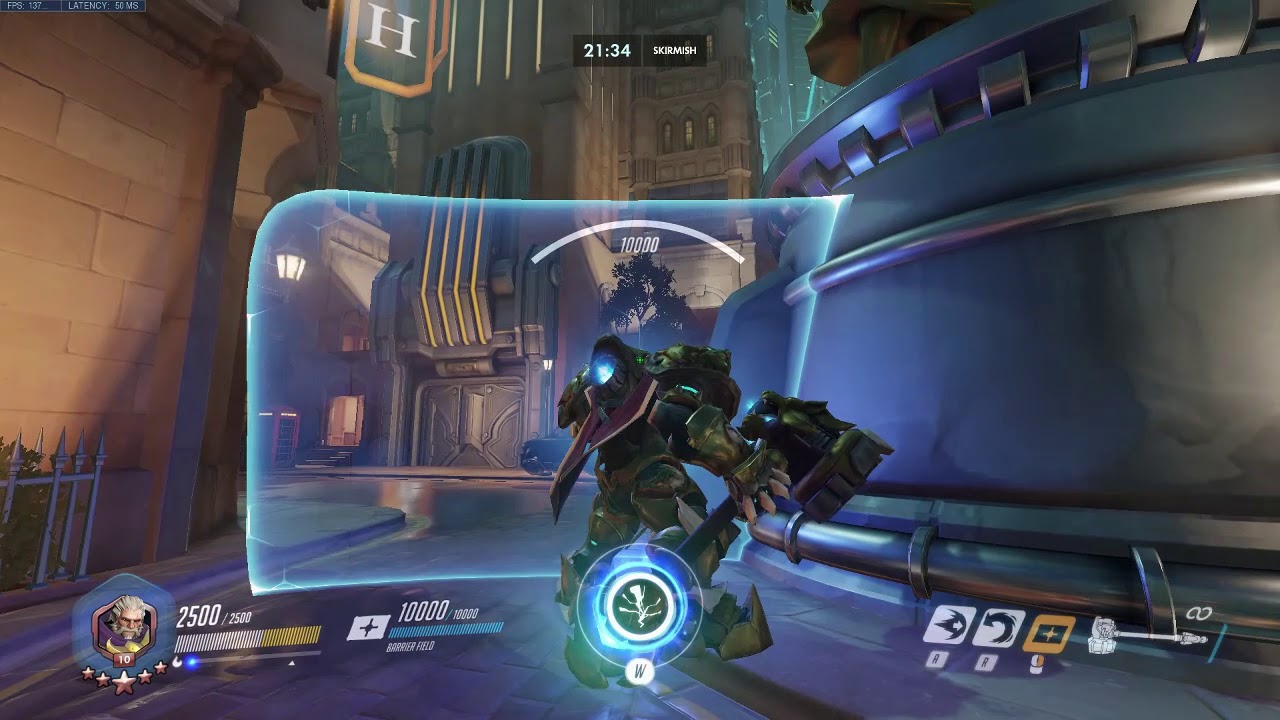
- Frontline: Lead from the front with your shield
- Corner Hugging: Use corners to minimize shield exposure
- Shield Management: Position to maintain shield coverage
- Charge Opportunities: Look for opportunities to charge enemies
Winston Positioning
- High Ground: Use jump pack to reach high ground
- Dive Positioning: Position to dive onto enemy backline
- Escape Routes: Always have an escape route planned
- Barrier Placement: Use barriers to protect yourself and teammates
D.Va Positioning
- Mobile Frontline: Position aggressively but maintain mobility
- Defense Matrix Usage: Position to block key enemy abilities
- Micro Missiles: Position to hit multiple enemies with micro missiles
- Self-Destruct: Position to maximize self-destruct damage
Zarya Positioning
- Second Line: Position behind the main tank
- Barrier Management: Position to protect teammates with barriers
- Charge Building: Position to build charge from enemy fire
- Graviton Surge: Position to use graviton surge effectively
Damage Positioning
Soldier: 76 Positioning
- Midline: Position in the middle of the team
- Biotic Field: Position near cover to deploy biotic field
- Helix Rockets: Position to hit multiple enemies with helix rockets
- Tactical Visor: Position to have clear line of sight for tactical visor
Tracer Positioning
- Flanking: Position to flank enemy backline
- Blink Management: Always have a blink charge for escape
- Recall Positioning: Position to use recall effectively
- Pulse Bomb: Position to stick pulse bomb to high-value targets
Pharah Positioning
- Air Superiority: Position in the air to control space
- Jump Jet Management: Use jump jet to maintain altitude
- Concussive Blast: Position to use concussive blast effectively
- Barrage: Position to maximize barrage damage
Widowmaker Positioning
- High Ground: Position on high ground for better sightlines
- Sniper Nests: Use established sniper positions
- Position Rotation: Move between sniper positions to avoid being predictable
- Infra-Sight: Position to use infra-sight effectively
Support Positioning
Mercy Positioning
- High Ground: Position on high ground for better sightlines
- Healing Priority: Position to maintain line of sight to tanks
- Damage Boost: Position to damage boost key teammates
- Valkyrie: Position to use valkyrie effectively
Lucio Positioning
- Mobile Positioning: Position to maintain aura coverage
- Wall Riding: Use wall riding to maintain mobility
- Crossfade Management: Position based on current crossfade effect
- Sound Barrier: Position to use sound barrier effectively
Ana Positioning
- Long Range: Position for long-range healing and damage
- Cover Usage: Position near cover to avoid enemy fire
- Sleep Dart: Position to use sleep dart effectively
- Nano Boost: Position to nano boost key teammates
Zenyatta Positioning
- Mid-Range: Position in the middle of the team
- Orb Management: Position to maintain harmony and discord orbs
- Orb of Destruction: Position to hit enemies with orb of destruction
- Transcendence: Position to use transcendence effectively
Map-Specific Positioning
Control Maps
- High Ground Priority: Secure high ground positions
- Objective Focus: Position near the control point
- Flanking Routes: Use flanking routes to surprise enemies
- Cover Usage: Use map cover to maintain safety
Escort Maps
- Payload Positioning: Position near the payload
- Route Awareness: Position based on payload route
- Chokepoint Positioning: Position to control chokepoints
- High Ground: Use high ground along the payload route
Hybrid Maps
- Capture Phase: Position to capture the point
- Escort Phase: Adjust positioning to escort the payload
- Map Transition: Adapt positioning between phases
- Spawn Advantage: Use spawn advantage for positioning
Assault Maps
- First Point: Position to capture or defend the first point
- Second Point: Adjust positioning for the second point
- Chokepoint Control: Position to control chokepoints
- Flanking Routes: Use flanking routes to bypass defenses
Situational Positioning
Offensive Positioning
- Push: Position aggressively to push the enemy back
- Flank: Position to flank enemy backline
- Dive: Position to dive onto enemy backline
- Ultimate Usage: Position to use ultimates effectively
Defensive Positioning
- Hold: Position to hold a specific area
- Retreat: Position to retreat safely
- Counter-Dive: Position to counter enemy dives
- Objective Defense: Position to defend the objective
Team Fight Positioning
- Initial Engagement: Position for the initial team fight engagement
- Mid-Fight: Adjust positioning during the team fight
- Cleanup: Position for cleanup after the team fight
- Disengage: Position to disengage safely from a losing team fight
Common Mistakes
Overextending
- Symptom: Pushing too far without support
- Solution: Maintain team cohesion, don’t push beyond support range
Poor Cover Usage
- Symptom: Exposing yourself to unnecessary damage
- Solution: Always position near cover, use peeking techniques
Ignoring High Ground
- Symptom: Giving up high ground advantage
- Solution: Prioritize high ground control when possible
Objective Neglect
- Symptom: Positioning too far from the objective
- Solution: Always prioritize objective proximity
Conclusion
Positioning is a fundamental aspect of Overwatch that can significantly impact your performance. By understanding role-specific positioning, adapting to different maps, and making smart situational decisions, you can improve your positioning and contribute more to your team’s success.
Remember, good positioning is a skill that takes time to develop. Practice positioning in different situations, learn from your mistakes, and study how professional players position themselves.
Good luck, and may your positioning lead you to victory!