Overwatch Mental Game Guide
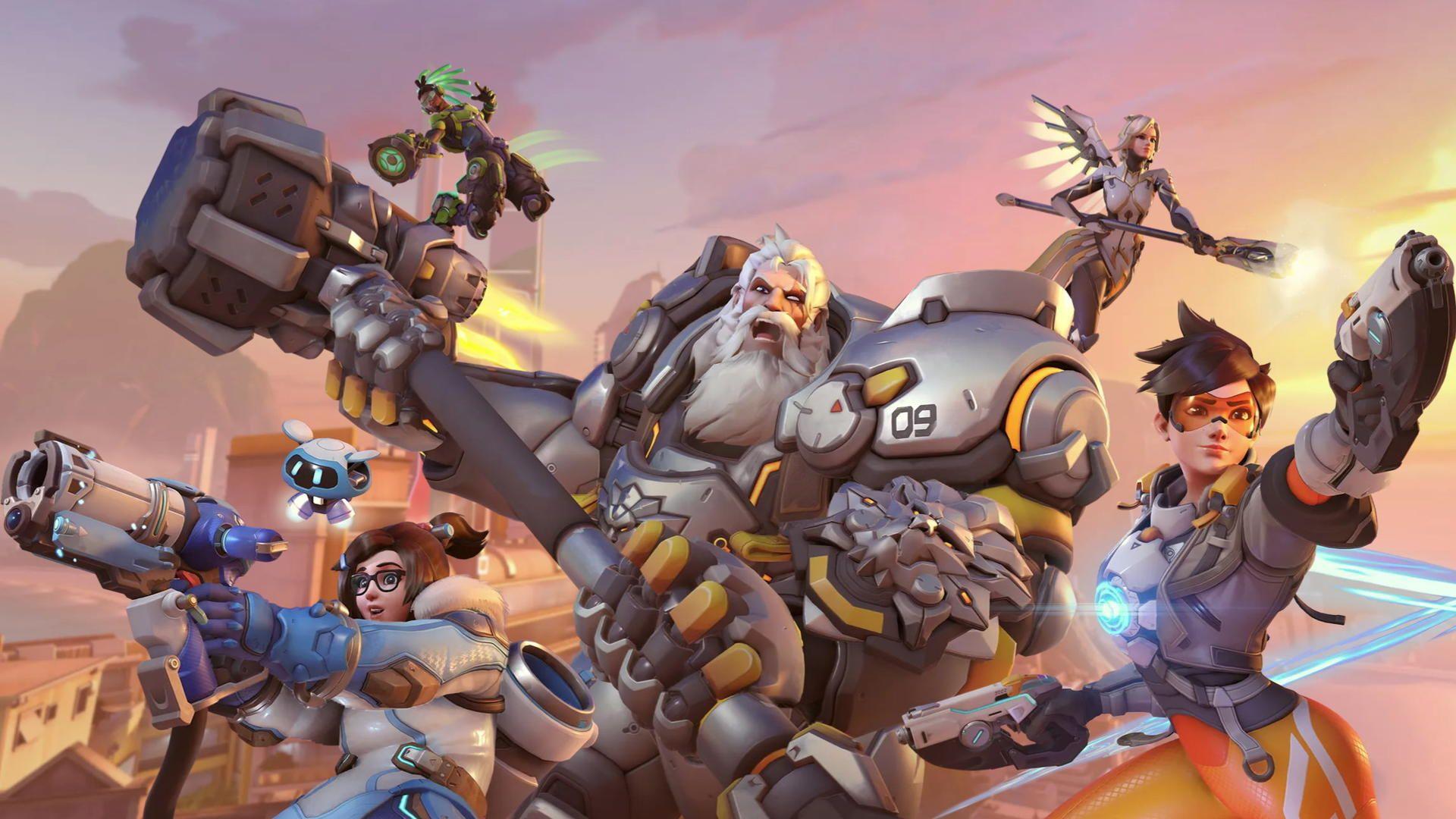
Overwatch Mental Game Guide
The mental aspect of Overwatch is often overlooked but is just as important as mechanical skill. A strong mental game can help you perform at your best, even under pressure. This guide will help you develop and maintain a positive mindset, manage tilt, and optimize your performance.
Mindset
Growth Mindset vs Fixed Mindset
- Growth Mindset: Believing that skills can be developed through dedication and hard work
- Fixed Mindset: Believing that skills are innate and cannot be changed
- Benefits of Growth Mindset: More resilient to setbacks, more open to feedback, more motivated to improve
Pre-Game Mindset
- Goal Setting: Set realistic, process-oriented goals
- Visualization: Visualize yourself performing well
- Positive Affirmations: Use positive self-talk to build confidence
- Routine: Establish a pre-game routine to get in the right mindset
In-Game Mindset
- Focus on Process: Focus on playing well rather than winning
- Present Moment: Stay focused on the current game, not past mistakes
- Adaptability: Be flexible and adapt to changing circumstances
- Confidence: Believe in your ability to perform
Post-Game Mindset
- Reflection: Analyze what went well and what didn’t
- Learning: Focus on lessons learned rather than results
- Self-Compassion: Be kind to yourself after losses
- Gratitude: Acknowledge the good aspects of the game
Tilt Management
What is Tilt?
- Definition: A state of emotional frustration that negatively impacts performance
- Causes: Losses, toxic teammates, unforced errors, perceived unfairness
- Symptoms: Impulsive decisions, negative self-talk, decreased focus, emotional reactivity
Recognizing Tilt
- Physical Symptoms: Increased heart rate, tension, shallow breathing
- Mental Symptoms: Negative thoughts, tunnel vision, decreased decision-making ability
- Behavioral Symptoms: Impulsive plays, flaming teammates, ignoring strategy
Managing Tilt
- Take a Break: Step away from the game for a few minutes
- Deep Breathing: Practice deep breathing to calm down
- Positive Self-Talk: Replace negative thoughts with positive ones
- Focus on the Present: Reset your focus to the current moment
Preventing Tilt
- Set Limits: Establish time limits for gaming sessions
- Mix It Up: Play different heroes or game modes to keep things fresh
- Stay Hydrated: Drink water to maintain physical and mental performance
- Get Enough Sleep: Ensure you’re well-rested before playing
Performance Optimization
Optimal Performance State
- Flow State: A state of complete immersion and focus
- Characteristics: Time distortion, effortless action, complete focus, intrinsic motivation
- How to Achieve: Set clear goals, focus on the process, challenge yourself appropriately
Concentration
- Selective Attention: Focus on relevant information, ignore distractions
- Sustained Attention: Maintain focus over extended periods
- Divided Attention: Balance attention between multiple tasks
- Attention Switching: Quickly switch attention between tasks
Decision Making
- Quick Decision Making: Make fast, accurate decisions under pressure
- Strategic Decision Making: Plan ahead and anticipate consequences
- Adaptable Decision Making: Adjust decisions based on new information
- Confident Decision Making: Trust your decisions and commit to them
Stress Management
- Eustress vs Distress: Learn to distinguish between helpful and harmful stress
- Stress Reduction Techniques: Deep breathing, progressive muscle relaxation, mindfulness
- Stress Adaptation: Learn to perform well under pressure
- Recovery: Allow time for mental and physical recovery
Team Dynamics
Communication
- Positive Communication: Encourage teammates, provide constructive feedback
- Active Listening: Pay attention to what teammates are saying
- Conflict Resolution: Handle disagreements calmly and constructively
- Leadership: Step up as a leader when needed
Dealing with Toxicity
- Ignore Toxicity: Don’t engage with toxic teammates
- Mute If Necessary: Mute players who are being toxic
- Report Toxic Behavior: Report players who violate the code of conduct
- Lead by Example: Be the positive influence your team needs
Team Cohesion
- Build Rapport: Get to know your teammates
- Celebrate Successes: Acknowledge good plays
- Learn Together: Grow and improve as a team
- Have Fun: Remember to enjoy the game
Long-Term Mental Health
Balance
- Gaming Balance: Maintain a healthy balance between gaming and other activities
- Physical Activity: Stay physically active to support mental health
- Social Connections: Maintain real-life social connections
- Hobbies: Pursue other interests outside of gaming
Burnout Prevention
- Recognize Burnout: Be aware of the signs of burnout
- Take Breaks: Schedule regular breaks from gaming
- Mix It Up: Play different games or engage in different activities
- Set Boundaries: Establish clear boundaries for gaming
Self-Care
- Physical Health: Eat well, exercise, get enough sleep
- Mental Health: Practice mindfulness, seek support when needed
- Emotional Health: Express your emotions in healthy ways
- Spiritual Health: Engage in activities that give you purpose
Conclusion
The mental game is a crucial aspect of Overwatch that can significantly impact your performance and enjoyment of the game. By developing a growth mindset, managing tilt, optimizing your performance, and maintaining healthy team dynamics, you can improve your mental game and become a better player.
Remember, the mental game is a skill that takes time and practice to develop. Be patient with yourself, stay committed to improvement, and don’t be afraid to seek help if you’re struggling.
Good luck, and may your mental game lead you to victory!