Overwatch Map Control Guide
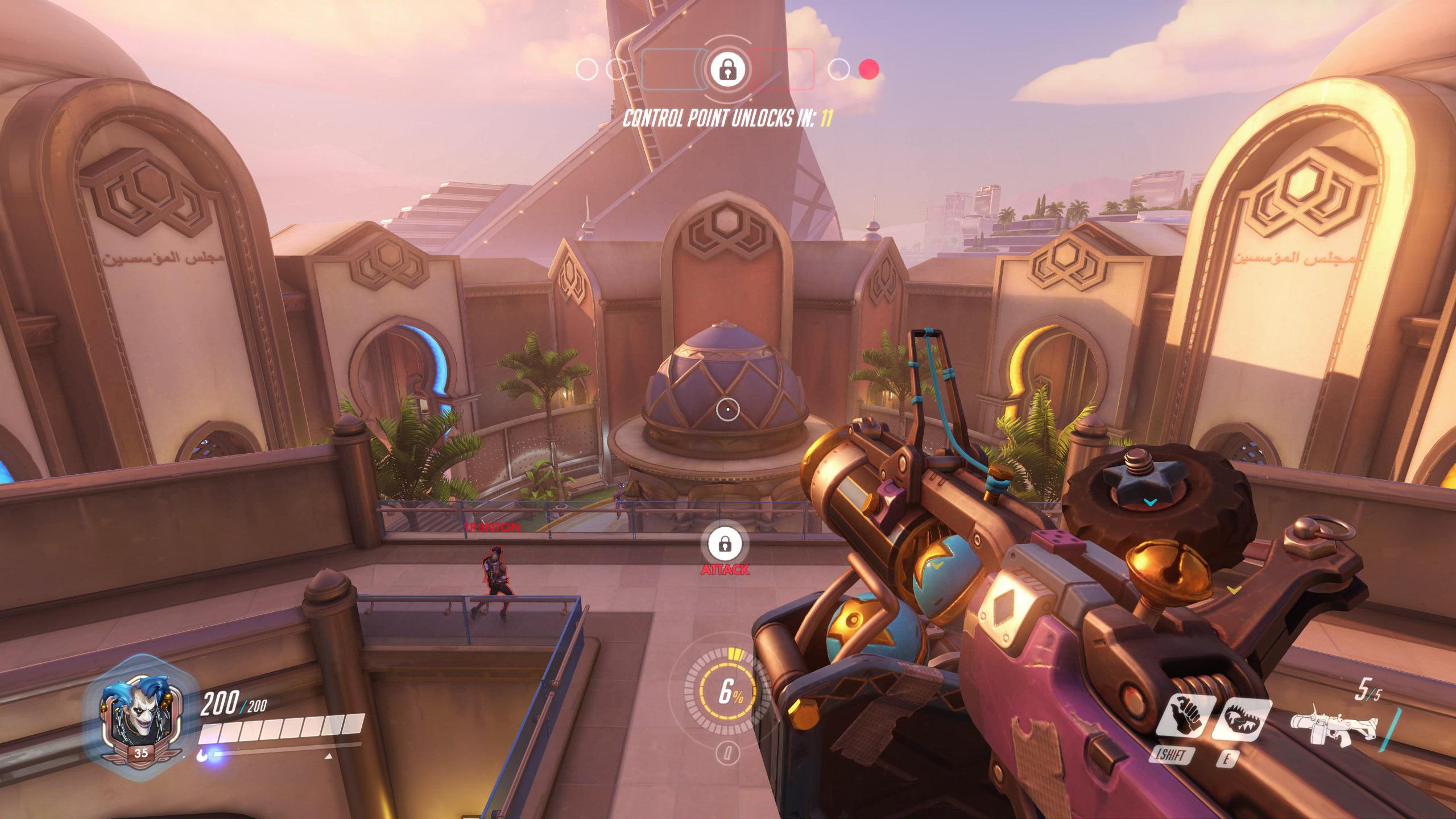
Overwatch Map Control Guide
Map control is one of the most important aspects of Overwatch. Controlling key areas of the map can give your team a significant advantage, allowing you to dictate the flow of the game and secure objectives. This guide will help you understand how to establish and maintain map control.
Key Map Elements
High Ground
- Advantages: Better vantage points, safer positioning, improved sightlines
- Examples: Rooftops, balconies, cliffs
- Control Methods: Use mobile heroes to take and maintain high ground
- Counterplay: Use heroes with vertical mobility to contest high ground
Chokepoints
- Advantages: Natural bottlenecks, easy to defend, force enemy into predictable positions
- Examples: Doorways, narrow paths, bridges
- Control Methods: Use tanks to block chokepoints, use area denial abilities
- Counterplay: Use flanking routes, use mobility to bypass chokepoints
Flanking Routes
- Advantages: Surprise enemies, attack from unexpected angles, bypass chokepoints
- Examples: Side alleys, tunnels, back paths
- Control Methods: Use mobile heroes to patrol flanking routes, place traps or sentries
- Counterplay: Use vision tools to monitor flanking routes
Objective Areas
- Advantages: Directly contribute to winning, force enemy to respond
- Examples: Control points, payloads, capture zones
- Control Methods: Focus team resources on objective areas, use area denial abilities
- Counterplay: Use crowd control to contest objectives, use ultimates to clear objective areas
Establishing Map Control
Early Game
- Spawn Advantage: Use spawn advantage to establish initial map control
- High Ground Priority: Secure high ground positions early
- Chokepoint Control: Establish control of key chokepoints
- Vision Setup: Use vision tools to monitor enemy movements
Mid Game
- Ultimate Usage: Coordinate ultimates to maintain or gain map control
- Flanking Pressure: Use flanking routes to apply pressure
- Objective Focus: Shift focus to objective areas as the game progresses
- Adaptation: Adjust strategy based on enemy movements
Late Game
- Objective Defense: Focus on defending objective areas
- Conservative Play: Play more conservatively to maintain map control
- Ultimate Conservation: Save ultimates for objective defense
- Predictive Positioning: Position based on expected enemy movements
Role-Specific Map Control
Tank Map Control
- Reinhardt: Control chokepoints with shield, create space for team
- Winston: Control high ground, dive onto enemy backline
- D.Va: Control airspace, protect team from projectiles
- Zarya: Create space with barriers, control chokepoints
Damage Map Control
- Soldier: 76: Control medium range, provide consistent damage
- Tracer: Control flanking routes, harass enemy backline
- Pharah: Control airspace, provide area denial
- Widowmaker: Control high ground, pick off enemies
Support Map Control
- Mercy: Control high ground, provide healing and damage boost
- Lucio: Control area with speed boost, provide area healing
- Ana: Control long range, provide healing and crowd control
- Zenyatta: Control mid range, provide damage amplification
Map-Specific Strategies
Control Maps
- Focus on high ground control to gain advantage in team fights
- Use flanking routes to surprise enemies and contest the point
- Control chokepoints to force enemies into predictable positions
Escort Maps
- Control the area around the payload to maintain progress
- Use high ground to control the payload route
- Control chokepoints to slow enemy progress
Hybrid Maps
- First phase: Focus on high ground control to capture the point
- Second phase: Control the payload route to maintain progress
- Adapt strategy based on the phase of the map
Assault Maps
- Focus on breaking through chokepoints to capture points
- Use flanking routes to bypass enemy defenses
- Control high ground to gain advantage in team fights
Communication for Map Control
Callouts
- High Ground: “High ground is clear”
- Chokepoints: “Main entrance is clear”
- Flanking Routes: “Flank route is safe”
- Objective Areas: “Objective is clear”
Strategy Discussion
- Early Game: “Let’s secure high ground first”
- Mid Game: “Let’s push through the left chokepoint”
- Late Game: “Let’s defend the objective area”
Enemy Movements
- Position Callouts: “Enemy team is moving to the right”
- Flank Warnings: “Enemy Tracer is flanking left”
- Objective Pressure: “Enemy is contesting the point”
Common Mistakes
Overextending
- Symptom: Pushing too far without support
- Solution: Maintain team cohesion, don’t push beyond support range
Ignoring High Ground
- Symptom: Giving up high ground advantage
- Solution: Prioritize high ground control, use mobile heroes to contest
Poor Chokepoint Management
- Symptom: Allowing enemies to freely use chokepoints
- Solution: Use tanks to block chokepoints, use area denial abilities
Neglecting Flanking Routes
- Symptom: Getting flanked repeatedly
- Solution: Use vision tools to monitor flanking routes, use mobile heroes to patrol
Conclusion
Map control is a fundamental aspect of Overwatch that can significantly impact the outcome of matches. By understanding key map elements, establishing control early, and adapting to enemy movements, you can give your team a significant advantage.
Remember, map control is a team effort. Coordinate with your teammates, communicate effectively, and focus on the objective to establish and maintain control of the map.
Good luck, and may your map control lead you to victory!