Shipyardy
Get the latest scores, news, and highlights from the 2026 FIFA World Cup. Follow every match, player, and moment in real time — all in one place. Stay updated, stay excited!
Get the latest scores, news, and highlights from the 2026 FIFA World Cup. Follow every match, player, and moment in real time — all in one place. Stay updated, stay excited!
 World Cup 2026
On June 11, 2026, South Korea faces Czech Republic in Group A at 20:00 UTC-6 in Guadalajara (Zapopan). South Korea enters the tournament with a reputation for disciplined defensive play combined with quick attacking transitions. The team has trained rigorously to improve ball control, coordination, and endurance. Czech Republic, a European contender, brings strategic experience and a focus on strong midfield control. The match is expected to be a tactical battle, with South Korea attempting to capitalize on speed and agility while Czech Republic relies on structure and strategic positioning. Fans will witness an engaging encounter, featuring dynamic shifts in play, challenging defensive lines, and potential surprises in attack. Both teams’ star players are expected to take key roles in shaping the outcome. South Korea’s forwards are likely to utilize space and make precise passes, while Czech Republic aims to maintain possession and orchestrate effective plays. The stadium atmosphere will be charged with energy as fans support their teams passionately. Analysts predict critical moments during set-pieces, counter-attacks, and transitions that will influence the final score. This game is essential for both sides to secure a favorable start in Group A and demonstrates the contrast between Asian and European football styles. The match promises entertainment, strategy, and competitive intensity, making it a memorable fixture for fans and setting expectations for the tournament’s progress.
 World Cup 2026
The first Group B match on June 12, 2026, features Canada taking on Bosnia & Herzegovina at 15:00 UTC-4 in Toronto. Canada has been preparing for the tournament with an emphasis on teamwork, passing accuracy, and strategic positioning. Their attacking style combines fast counter-attacks with disciplined defensive organization. Bosnia & Herzegovina, known for resilience and tactical discipline, brings experience and skillful midfielders capable of controlling the pace of the game. Fans can expect a match full of intensity, tactical maneuvering, and exciting plays. Analysts predict a competitive encounter as both teams strive to establish dominance early in Group B. Canada’s forwards will focus on exploiting defensive gaps, while Bosnia’s squad aims to retain possession and execute precise passing strategies. The stadium is anticipated to be filled with enthusiastic supporters, creating a lively atmosphere. Key aspects of the game will include set-piece efficiency, defensive organization, and adaptability under pressure. As the teams compete, the match promises to showcase the distinct football cultures of North America and Europe. Players’ stamina, decision-making, and on-field coordination will be crucial in determining the result. This fixture is not only about winning points but also about setting the rhythm for upcoming matches in the group stage. With potential moments of brilliance, tactical battles, and fan excitement, the opening Group B match is poised to be a highlight of the early tournament schedule.
 World Cup 2026
On June 13, 2026, Qatar faces Switzerland in Group B at 12:00 UTC-7 in San Francisco Bay Area (Santa Clara). This match is a critical fixture as Qatar, the host of the previous World Cup, brings a well-prepared squad eager to prove themselves on the world stage. Their gameplay emphasizes strong defensive organization, rapid transitions, and coordinated midfield pressure. Switzerland, representing Europe with a reputation for disciplined tactical execution and efficient use of space, will challenge Qatar with a methodical approach. Analysts expect a game characterized by intense midfield battles, where each side attempts to dominate possession while carefully monitoring counter-attacks. Qatar’s forwards will rely on agility, speed, and precise passing to break down Switzerland’s structured defense. Switzerland, meanwhile, will use a combination of positional awareness and calculated pressing to disrupt Qatar’s attacking rhythm. The stadium atmosphere is expected to be highly energetic, with fans cheering passionately and adding pressure to both teams. Key tactical elements such as set-piece strategies, defensive organization, and player stamina will play decisive roles. Both teams must maintain high levels of concentration, capitalize on scoring opportunities, and react dynamically to changing situations on the field. Observers anticipate several moments of individual brilliance, including crucial saves, skillful dribbles, and accurate long-range shots. As this match unfolds, it will highlight contrasting styles of football, blending European precision with Middle Eastern flair. The outcome will influence Group B standings and offer insights into each team’s approach to international competition, setting the stage for the remaining group matches and creating an engaging spectacle for fans and analysts alike, who eagerly follow every tactical nuance and match development in this high-stakes World Cup encounter.
 World Cup 2026
On June 13, 2026, Brazil faces Morocco in Group C at 18:00 UTC-4 in New York/New Jersey (East Rutherford). Brazil, a football powerhouse with a legacy of flair, skill, and tactical ingenuity, enters the tournament with an emphasis on attacking creativity, quick transitions, and maintaining possession under pressure. Morocco, known for its disciplined defense and rapid counter-attacks, brings a determined squad aiming to challenge one of the world’s elite teams. Analysts predict a captivating clash, highlighting Brazil’s offensive firepower against Morocco’s tactical resilience. Brazilian forwards, relying on exceptional ball control, movement, and precise passing, will aim to penetrate Morocco’s defensive lines. Morocco’s defenders, adept at intercepting passes and organizing compact formations, will attempt to neutralize Brazil’s dynamic play while exploiting counter-attacking opportunities. Fans attending the match are expected to witness an electrifying atmosphere, as thousands of supporters bring energy and anticipation to the stadium. Critical moments will include the execution of set-pieces, mid-field battles for possession dominance, strategic pressing, and sharp decision-making from both sides. Each team’s performance under pressure will determine the outcome, highlighting individual talents, stamina, and the effectiveness of strategic adjustments made by coaches. This match is more than a competition; it is a showcase of contrasting football philosophies, where flair meets discipline. The outcome will significantly influence Group C standings and provide insights into team dynamics, strengths, and weaknesses. Spectators can anticipate exciting goal opportunities, tactical creativity, and memorable moments of brilliance that reflect the depth of talent present in the 2026 World Cup, making this game a centerpiece of early tournament excitement and a vivid example of international football excellence.
The Group C fixture on June 13, 2026, pits Haiti against Scotland at 21:00 UTC-4 in Boston (Foxborough). Haiti, a team with a growing international presence, focuses on strong defensive discipline, organized midfield play, and opportunistic counter-attacks. Scotland, representing European football tradition, brings a tactical approach combining solid defense with aggressive forward movements and precise passing sequences. Analysts predict a tactical and competitive match, as both teams seek to secure vital points in the opening group stage. Haiti’s forwards will attempt to exploit defensive lapses using speed, ball control, and accurate short passes, while Scotland’s squad will focus on maintaining possession, orchestrating strategic attacks, and creating scoring opportunities through coordinated team movements. The match environment promises high energy, with fans generating a vibrant atmosphere that encourages players to excel under pressure. Critical aspects of the game will include positioning, adaptability, stamina, and effective execution of set-pieces. Both teams must make tactical adjustments throughout the game to respond to changing dynamics on the field. This encounter serves as a test of resilience, skill, and strategic thinking, offering moments of individual brilliance and collaborative teamwork. Each side aims to impress on the world stage, demonstrating tactical acumen, composure, and footballing intelligence. Observers can expect continuous action, including defensive interventions, attacking creativity, and high-stakes decision-making. The match’s outcome will influence Group C rankings and shape the trajectory for both teams in subsequent matches, while providing fans and analysts with a compelling showcase of contrasting football styles, cultural diversity, and the competitive spirit inherent in the 2026 World Cup tournament.
 World Cup 2026
On June 18, 2026, Switzerland faces Bosnia & Herzegovina in Group B at 12:00 UTC-7 in Los Angeles (Inglewood). This match is crucial for both teams as they seek to secure a strong position within the group. Switzerland, a team known for disciplined organization and tactical precision, emphasizes maintaining structured formations, strategic ball distribution, and careful pressing. Their midfielders will play a critical role in controlling tempo, intercepting passes, and launching calculated counter-attacks. Bosnia & Herzegovina, with a reputation for passionate and resilient play, brings a blend of physicality, skillful passing, and tactical versatility. Analysts expect an intense midfield battle, where each team tries to dominate possession while exploiting weaknesses in the opponent’s defensive lines. Key players for Switzerland will include their creative playmakers, responsible for initiating attacks and maintaining composure under pressure. Bosnia & Herzegovina will rely on disciplined defenders and agile forwards to seize scoring opportunities during transitions. The stadium atmosphere is expected to be highly charged, with fans providing vocal support, creating energy that influences the game’s momentum. Critical tactical elements, including set-piece execution, defensive alignment, and stamina management, will significantly impact the match outcome. Coaches must adjust strategies in real time based on evolving circumstances, demonstrating tactical acumen and flexibility. This encounter provides a compelling showcase of contrasting European football philosophies, with Switzerland focusing on efficiency and structured play, and Bosnia & Herzegovina emphasizing dynamism and adaptability. The game is also expected to highlight moments of individual brilliance, including exceptional saves, precise dribbling, and long-range shots. By the end of this match, the results will shape the trajectory of both teams in Group B, offering valuable insights into their strengths, weaknesses, and strategies for advancement. Fans, analysts, and players alike will witness a combination of intense competition, tactical depth, and entertainment, making this fixture a memorable component of the 2026 World Cup.
 World Cup 2026
In a Group B clash on June 18, 2026, Canada faces Qatar at 15:00 UTC-7 in Vancouver. This match represents a pivotal moment for both teams as they aim to secure crucial points in the early stages of the tournament. Canada, having shown consistent improvement in international competitions, focuses on blending physical prowess with tactical discipline. Their midfielders are responsible for controlling the pace of the game, distributing the ball effectively, and coordinating offensive plays. Defenders are tasked with maintaining compact formations to reduce space and minimize opportunities for counter-attacks. Qatar, drawing from a growing football culture, emphasizes fast transitions, precise passing, and opportunistic offensive strategies. Analysts anticipate a highly competitive match, with both teams striving to balance defensive solidity with attacking creativity. The Canadian forwards will rely on speed, positional awareness, and accurate finishing to challenge Qatar’s defensive line. Meanwhile, Qatar’s players will attempt to disrupt Canadian buildup play, exploiting gaps with agile and coordinated movements. The stadium environment is expected to be electric, with enthusiastic supporters influencing the game through chants and visual displays. Tactical nuances such as set-piece execution, press resistance, stamina management, and in-game adaptability will play significant roles in determining the result. Observers can anticipate moments of individual brilliance, including daring dribbles, precise long passes, and goalkeeping heroics. Both teams’ coaching staff will need to make strategic decisions in real time, reflecting their understanding of player dynamics, formation flexibility, and opponent tendencies. This encounter offers a vivid illustration of contrasting football styles, with Canada emphasizing physicality and structured play, while Qatar prioritizes agility and rapid counter-attacks. Ultimately, the match will impact Group B standings and provide insights into the potential progression of both teams in the 2026 World Cup, creating an engaging and memorable spectacle for players, fans, and analysts alike.
 World Cup 2026
On June 24, 2026, Switzerland clashes with Canada in Group B at 12:00 UTC-7 in Vancouver. This match carries significant implications for both teams as they approach the conclusion of the group stage. Switzerland, known for structured tactical play, emphasizes precise passing, disciplined defensive formations, and controlled transitions from defense to attack. Their midfielders act as the engine of the team, managing game tempo, disrupting opposition build-ups, and orchestrating forward plays. Canada, blending athleticism with growing tactical sophistication, aims to exploit opportunities with dynamic attacking strategies, coordinated movements, and sharp finishing. Analysts predict a competitive, high-intensity match, where possession control, spatial awareness, and quick decision-making will be decisive. Switzerland will rely on experienced players to maintain composure under pressure and capitalize on Canada’s defensive gaps. Canada, conversely, will focus on aggressive forward pressing and quick counter-attacks to challenge Switzerland’s defensive structure. Fans are expected to create a vibrant and energetic stadium atmosphere, contributing to player motivation and influencing momentum. Critical tactical components such as set-piece efficiency, pressing systems, stamina management, and in-game adaptability will dictate the match flow and final outcome. Both coaching teams will adjust strategies in response to match developments, reflecting their understanding of individual player strengths, opposition weaknesses, and situational dynamics. The game will showcase contrasting football philosophies: Switzerland’s focus on structured, methodical play versus Canada’s emphasis on agility, speed, and opportunistic offense. Spectators can anticipate moments of individual brilliance, including precise passes, exceptional saves, and coordinated team movements. The results will heavily influence Group B standings, shaping the trajectory for subsequent stages and providing insights into both teams’ competitive potential. This encounter promises an engaging, detailed, and tactical display of international football, highlighting the drama, skill, and strategic complexity inherent in the 2026 World Cup tournament.
 World Cup 2026
On June 24, 2026, Bosnia & Herzegovina will face Qatar in Group B at 12:00 UTC-7 in Seattle. This match is crucial for both teams as it represents a key stage in the group phase where every point could determine advancement. Bosnia & Herzegovina, renowned for their disciplined defensive structure and technical ability, will focus on maintaining organization in their backline, minimizing space for the opponent, and carefully controlling the midfield. Their forwards will seek to exploit counter-attacking opportunities, relying on speed, positioning, and precise finishing to capitalize on any gaps created by Qatar’s advancing players. Qatar, having displayed rapid growth in football development, is expected to prioritize dynamic attacking strategies, fast transitions, and creative movement off the ball. Analysts anticipate a tactical battle, where both teams must balance attacking intent with defensive responsibility, carefully managing possession and anticipating opponent maneuvers. Key players from Bosnia & Herzegovina will be critical in intercepting passes, distributing the ball effectively, and coordinating defensive coverage. Qatar will rely on agile and technically skilled midfielders to create scoring opportunities and maintain pressure on Bosnia & Herzegovina’s defensive line. The stadium environment is expected to be lively, with vocal fans energizing players and influencing the pace and intensity of the game. Tactical aspects such as set-piece execution, pressing systems, stamina management, and real-time formation adjustments will have a significant impact on the outcome. Coaches from both teams will be expected to make strategic decisions during play, responding to shifts in momentum and player performance. The match promises a fascinating contrast in styles, with Bosnia & Herzegovina emphasizing structured, methodical play, and Qatar focusing on speed, creativity, and opportunistic offense. Spectators can expect moments of individual brilliance, including remarkable dribbles, accurate long passes, and crucial saves from goalkeepers. The final result will influence Group B standings and set the stage for subsequent matches, providing insight into each team’s potential trajectory in the 2026 World Cup. This encounter encapsulates the tactical depth, skill, and excitement that characterize international football at the highest level, offering fans a comprehensive and memorable viewing experience.
 World Cup 2026
On June 19, 2026, Brazil will face Haiti in Group C at 20:30 UTC-4 in a key clash during the group stage. Brazil, known worldwide for their attacking prowess, technical finesse, and creative playmaking, will approach the match with an emphasis on possession, fluidity, and tactical unpredictability. The team’s forwards and midfielders are expected to coordinate movements to create space, deliver incisive passes, and orchestrate scoring opportunities. Brazil’s defenders will maintain a proactive stance, ensuring compactness in defense and readiness to transition swiftly into counter-attacks. Haiti, aiming to assert themselves in the international arena, will rely on disciplined defensive organization, swift counter-attacking maneuvers, and effective use of width to challenge Brazil’s dominance. Analysts predict a match of contrasting styles, with Brazil demonstrating controlled, skillful buildup play, and Haiti emphasizing resilience, tactical discipline, and opportunistic offensive bursts. Key players from Brazil will have a responsibility to lead attacking sequences, capitalize on defensive lapses, and maintain composure under high-pressure situations. Haiti’s players will focus on disrupting Brazil’s rhythm, intercepting passes, and leveraging quick transitions to create goal-scoring chances. The stadium is expected to be vibrant and energetic, filled with supporters whose enthusiasm will heighten the competitive atmosphere. Critical tactical elements such as set-piece strategy, pressing efficiency, stamina management, and in-game adjustments by the coaching staff will significantly influence the match’s progression. Viewers can anticipate exceptional moments of individual brilliance, including precise dribbling, long-range shooting, and pivotal goalkeeping interventions. The clash will highlight the diversity of international football strategies, with Brazil’s artistry and Haiti’s tenacity offering a dynamic spectacle. By the end of the game, the results will shape the group standings, providing crucial insight into the strengths, weaknesses, and potential trajectory of both teams throughout the 2026 World Cup. Fans, analysts, and players alike will witness a highly detailed, tactical, and entertaining encounter that encapsulates the essence of global football competition.
 World Cup 2026
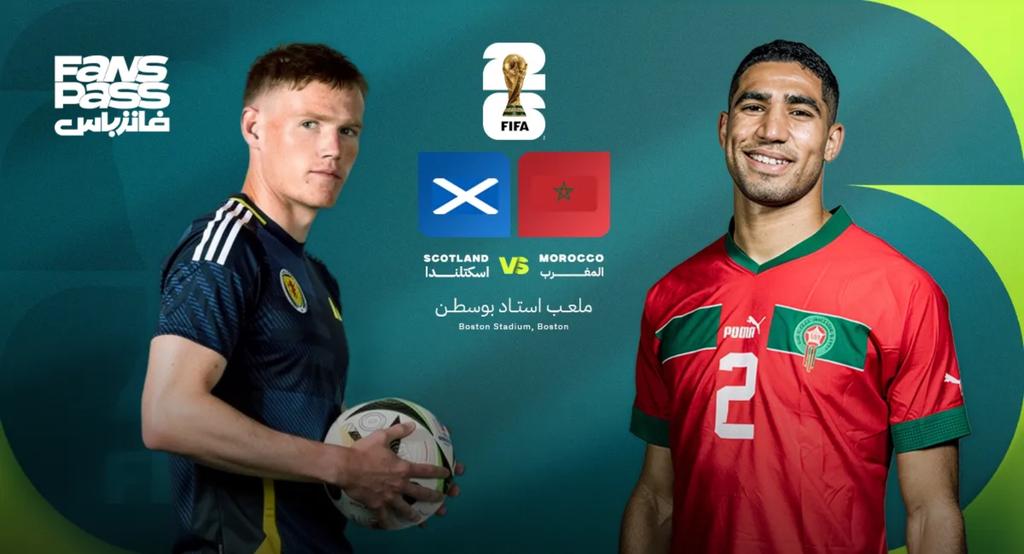
On June 19, 2026, Scotland faces Morocco in a decisive Group C match at 18:00 UTC-4 in Boston (Foxborough). Both teams enter the match with the goal of securing crucial points to advance from the group stage. Scotland, known for their physicality, resilience, and tactical organization, will focus on structured defensive play, coordinated pressing, and controlled transitions to counter Morocco’s attacks. Their midfield will be pivotal in regulating game tempo, intercepting opposition passes, and launching strategic offensive movements. Morocco, a team celebrated for skillful dribbling, creative attacking strategies, and disciplined organization, will aim to dominate possession while exploiting gaps in Scotland’s defensive setup. Analysts anticipate an intense tactical contest, with each team balancing defensive solidity and offensive creativity, adapting their strategies to evolving match situations. Key Scottish players will focus on maintaining positional discipline, intercepting threats, and creating scoring opportunities through well-timed runs and accurate passing. Moroccan players will employ agility, spatial awareness, and technical proficiency to penetrate defensive lines, generate opportunities, and create dynamic plays. Fans are expected to contribute to a high-energy atmosphere, with vocal support influencing the intensity and momentum of the match. Tactical considerations, including set-piece execution, pressing systems, stamina management, and in-game strategic adjustments, will play a decisive role in the match outcome. Coaches must analyze real-time developments, optimizing player deployment and formation strategies to respond to opponent tactics effectively. The encounter will showcase contrasting football philosophies: Scotland’s structured, disciplined play versus Morocco’s fluid, creative, and opportunistic style. Spectators can expect moments of brilliance, including precise passing sequences, tactical interceptions, and critical goalkeeping saves. The outcome will significantly influence Group C standings, shaping each team’s potential path through the tournament. This match embodies the tactical complexity, excitement, and strategic depth that define the 2026 World Cup, delivering a comprehensive, engaging, and memorable experience for fans, players, and analysts alike.
 World Cup 2026
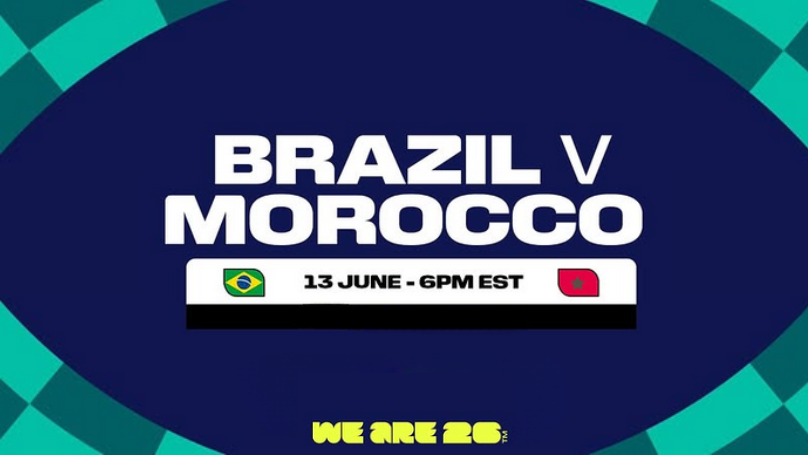
On June 13, 2026, Brazil will face Morocco in Group C at 18:00 UTC-4 in New York/New Jersey (East Rutherford). This match promises to be an exciting clash between Brazil’s attacking mastery and Morocco’s tactical discipline. Brazil, widely known for their creativity, fluid attacking movements, and technical brilliance, will employ a possession-based strategy, emphasizing short passes, intricate combinations, and off-the-ball runs to break down Morocco’s defense. Their forwards are expected to create dynamic movements that stretch the opposition, while their midfield orchestrates attacks with vision and accuracy. Defensively, Brazil will focus on maintaining a high line with pressing to regain possession quickly and prevent Morocco from initiating counterattacks. Morocco, renowned for their disciplined defensive shape, quick transitions, and physical endurance, will aim to disrupt Brazil’s rhythm through strategic pressing, compact formations, and careful marking of key Brazilian attackers. Analysts expect a tactical battle, where Brazil’s technical skill will meet Morocco’s defensive resilience. Key Moroccan players will look to intercept passes, exploit gaps on counters, and execute well-timed runs behind Brazil’s defensive line. Coaches from both sides will play a crucial role in adapting strategies mid-game, making substitutions to maintain intensity, and responding to momentum shifts. Spectators can expect a vibrant stadium atmosphere, filled with passionate fans whose energy could influence the flow and tempo of the match. Tactical aspects such as set-piece execution, spatial awareness, stamina management, and in-game adjustments will heavily influence the outcome. The match will provide an insight into Brazil’s consistency in creative attacking patterns, Morocco’s ability to defend and transition quickly, and the overall strategic depth of international football. With moments of exceptional dribbling, precise long passes, decisive interceptions, and critical saves expected, the encounter will capture the excitement and unpredictability of the 2026 World Cup, showcasing both teams’ strengths and potential for advancement in the tournament.